Trop Mignon! L’Art du Bonheur: When Art Makes Us Feel Good
An exhibition that explores the power of cute, colour, animals and art to make us feel good.
text Enrico Fragale Esposito
What makes us smile when we look at a work of art? A tiny animal? A chubby baby? A cloud of pink? Something sparkly? Or perhaps a pair of enormous cartoon eyes staring back at us?
At the Louvre-Lens in France, these seemingly simple pleasures become the starting point for Trop Mignon! L’Art du Bonheur, an exhibition that asks a surprisingly big question: why do certain images make us feel good?
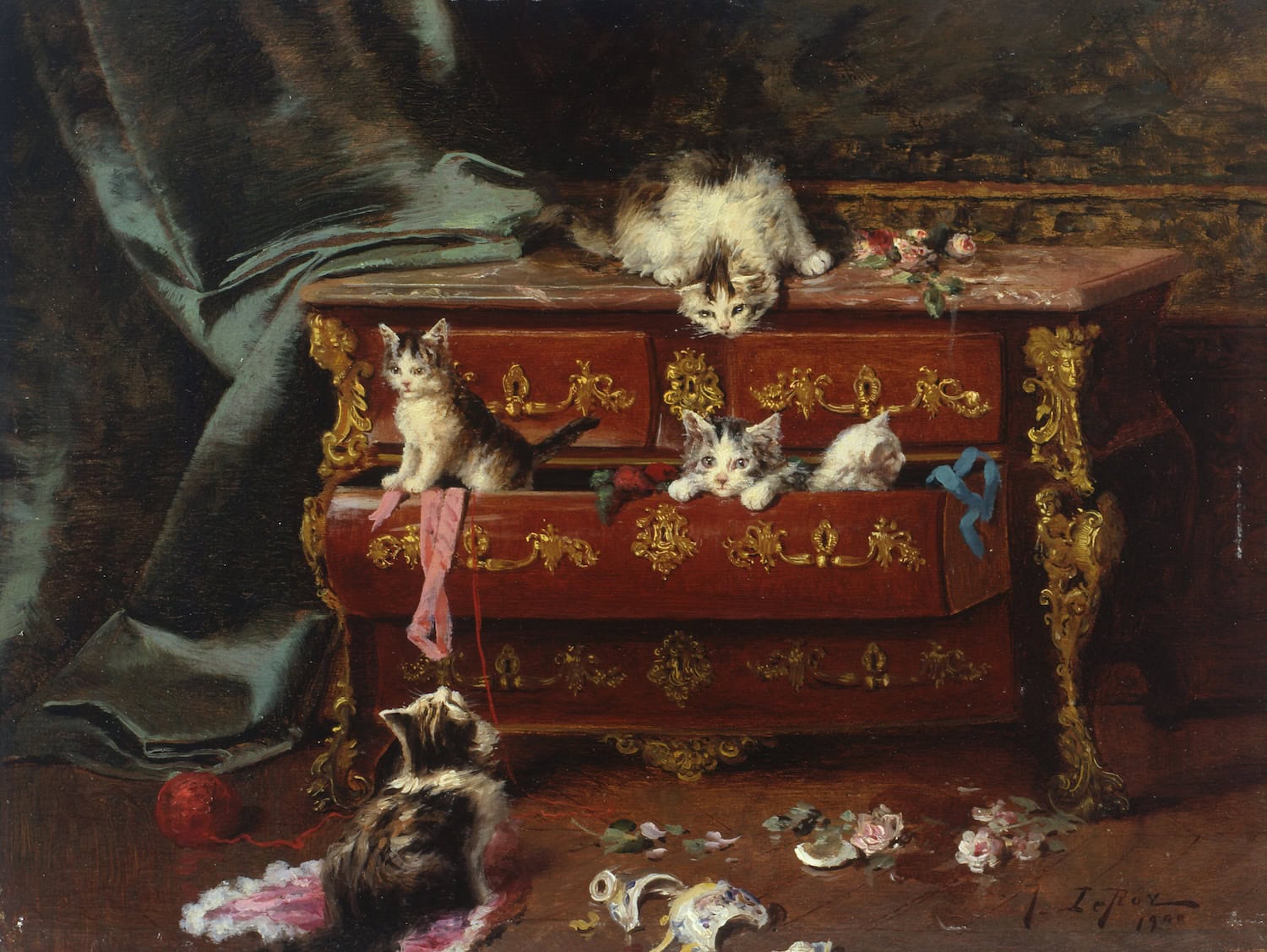
Bringing together almost 300 works, from paintings and sculptures to photographs, films, books, videos, objects and immersive installations, the exhibition takes visitors on a journey through the history of art, following one particularly irresistible feeling: the pleasure of the cute. And yes, there are cats. Lots of them.
The story of cute is definitely not a recent one. Long before the internet was flooded with kitten videos, artists were already fascinated by animals, babies, soft shapes and sweet expressions. At Trop Mignon!, an Egyptian cat can find itself in conversation with an ancient sculpture of a baby, while delicate portraits by Théodore Géricault and Auguste Renoir sit alongside the playful creatures of Jeff Koons and Philippe Katerine.
The exhibition moves freely through centuries and cultures, showing how our attraction to adorable things has changed, and how much it has stayed the same.

But cute is not as innocent as it looks.
The exhibition takes a closer look at the aesthetics of sweetness and asks why we are so attracted to rounded shapes, big eyes, pastel colours, fluffy objects and miniature things. These visual codes can make us feel protected, nostalgic and comforted, but they can also be used to sell things, create identities or communicate ideas.
Think about the global success of kawaii culture in Japan, the omnipresence of pink, the explosion of glitter and the world of collectible toys. What looks playful can also say something about society, consumer culture and the way we construct our identities.
Contemporary artists sometimes deliberately turn these codes upside down, using cuteness to talk about vulnerability, gender, violence or the darker side of our world.
Because something can be adorable and unsettling at exactly the same time.
Perhaps this is what makes Trop Mignon! particularly interesting: it doesn’t tell us that art has to be serious to be meaningful.
Sometimes a work can simply make us happy. Trop Mignon! L’Art du Bonheur suggests that pleasure can be a way into art, not away from it. That feeling good in front of a work doesn’t make the experience less intelligent. Quite the opposite: sometimes, the things that make us smile are exactly what make us stop, look closer and start asking questions.
So, bring your curiosity. And prepare to fall for the cute.
Trop Mignon ! L’art du bonheur
23 septembre 2026 – 18 janvier 2027
Musee du Louvre-Lens
Picture 1: Jules LE ROY, Chats dans une commode, 1900 – ©Roubaix, La Piscine
Picture 2: Laurence Geai, Photographie extraite de l’article En Ukraine, chats et chiens sont de fidèles compagnons d’armes
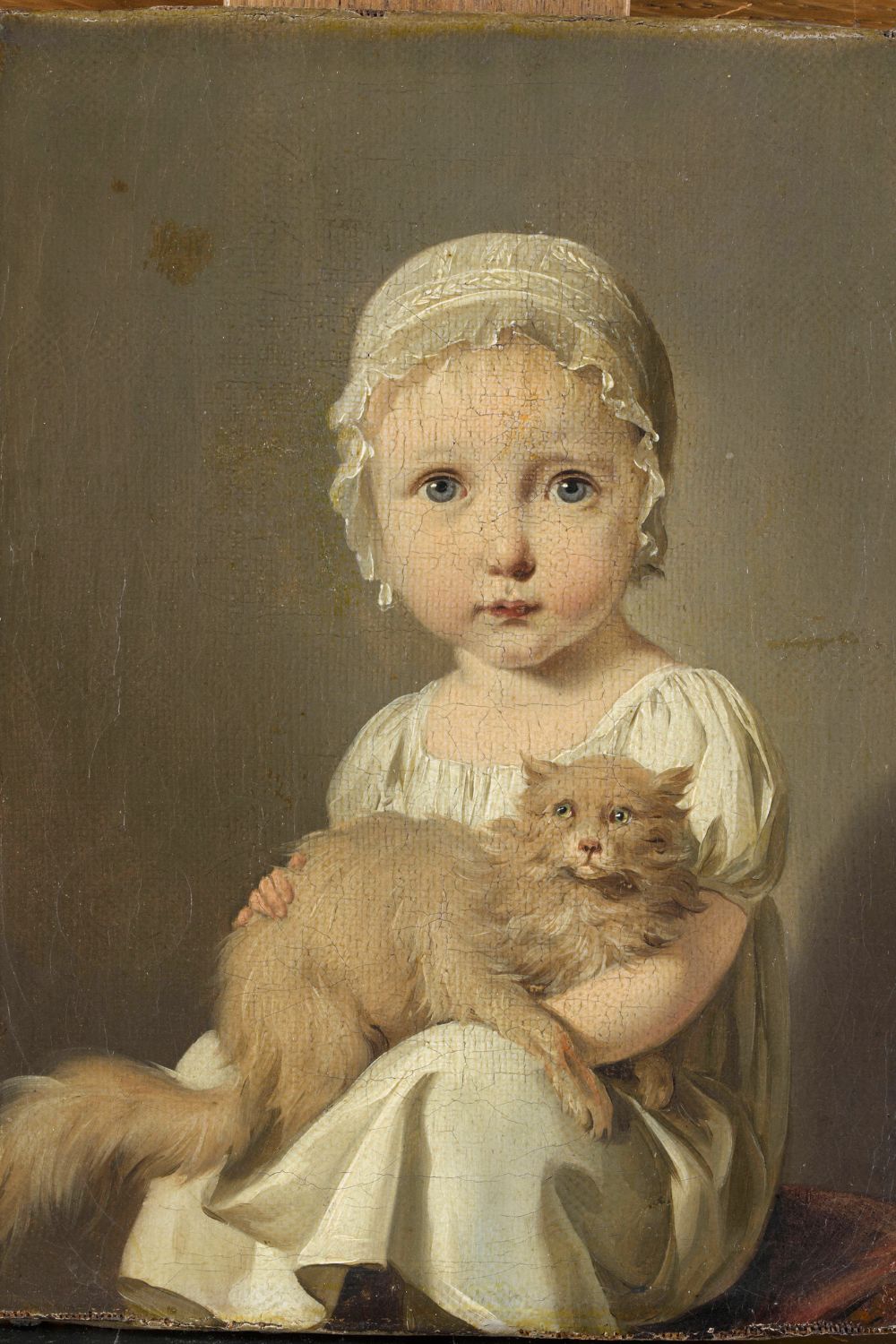
Picture 3: Louis Léopold BOILLY, Gabrielle Arnault enfant (1811-1872), fille de l’écrivain Antoine Vincent Arnault
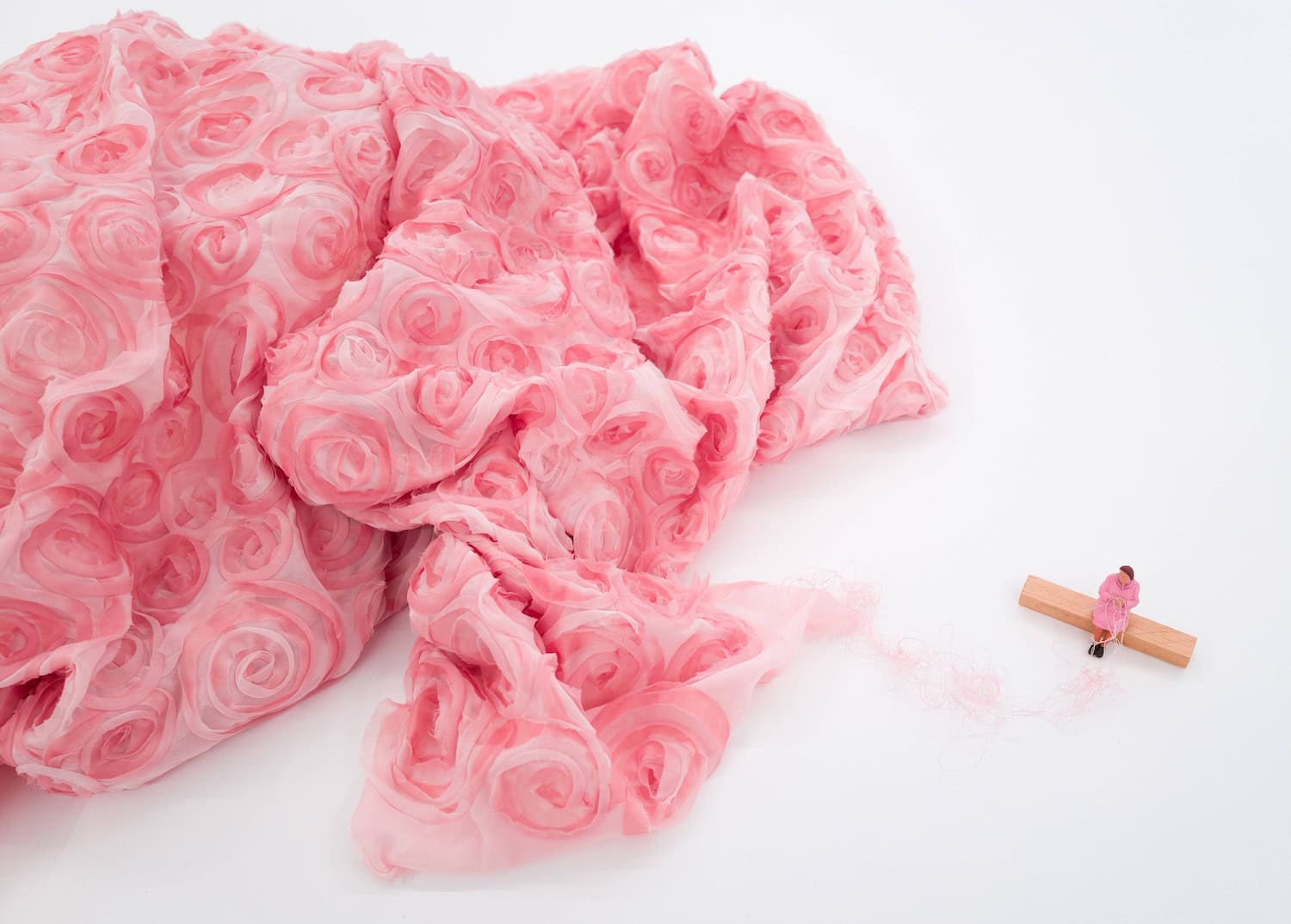
Picture 4: Liliana PORTE, Untitled (The Weaver), 2018 – ©Paris, Galerie Mor Charpentier