
Can Children's Furniture Grow Up Too?
Nidi and Politecnico di Milano Explore Emotional Durability
text Enrico Fragale Esposito
Children grow fast. Bedrooms that once felt perfect can suddenly seem too small, too childish or simply no longer fit their changing interests. What if furniture could evolve alongside them instead of being replaced every few years?
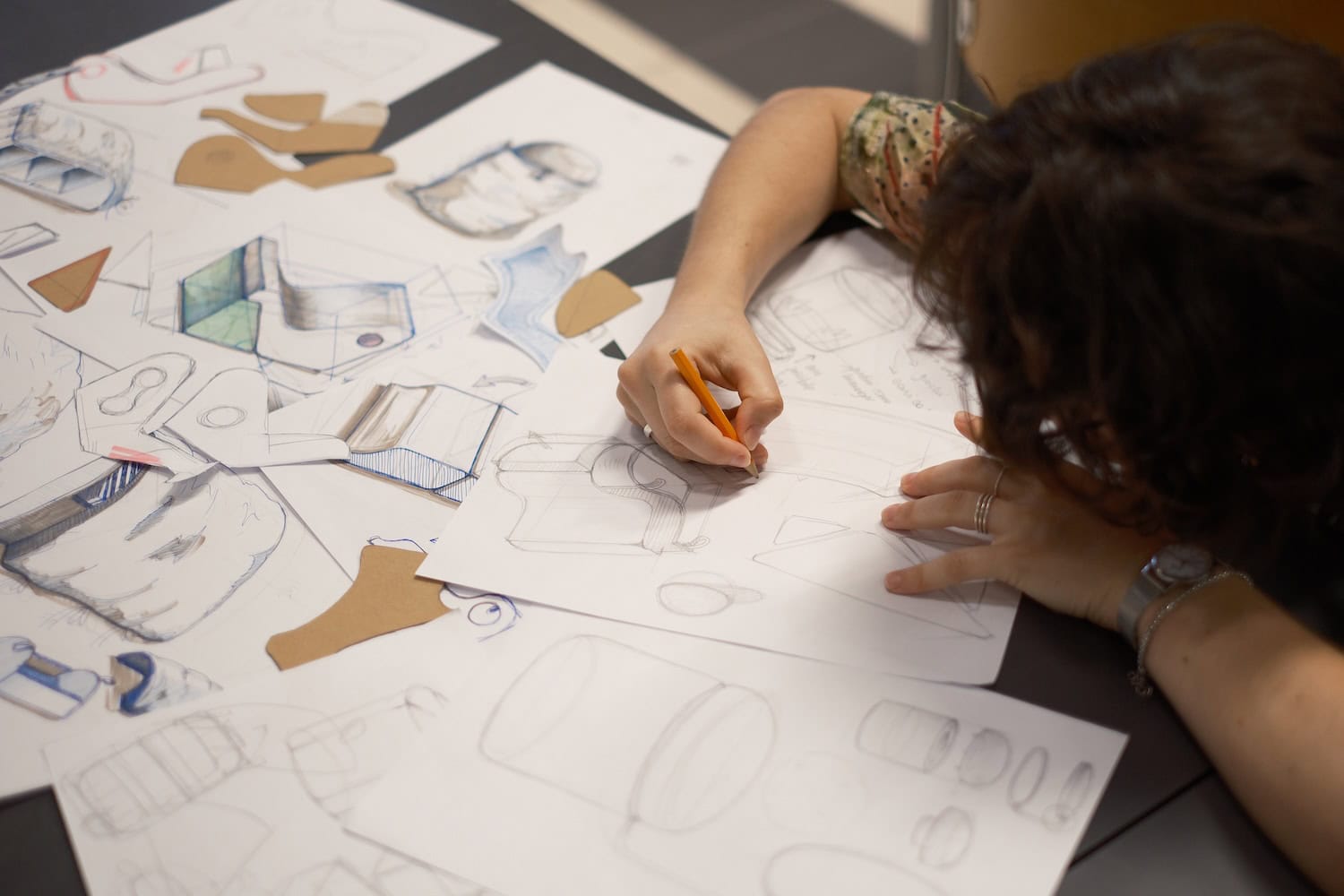
That’s the question behind Wear & Grow, a workshop developed by Nidi, the children’s furniture brand by Battistella Company, together with students from the School of Design at Politecnico di Milano. Rather than focusing on trends or aesthetics alone, the initiative explored a simple but increasingly relevant idea: designing furniture that children can build a lasting relationship with.
At the heart of the project is the concept of Emotional Durability, the idea that products become more sustainable when people continue to love and use them over time. Instead of creating furniture with a short life cycle, the challenge was to imagine pieces that could adapt to children’s physical growth, changing routines and evolving personalities, from early childhood through the teenage years and beyond.
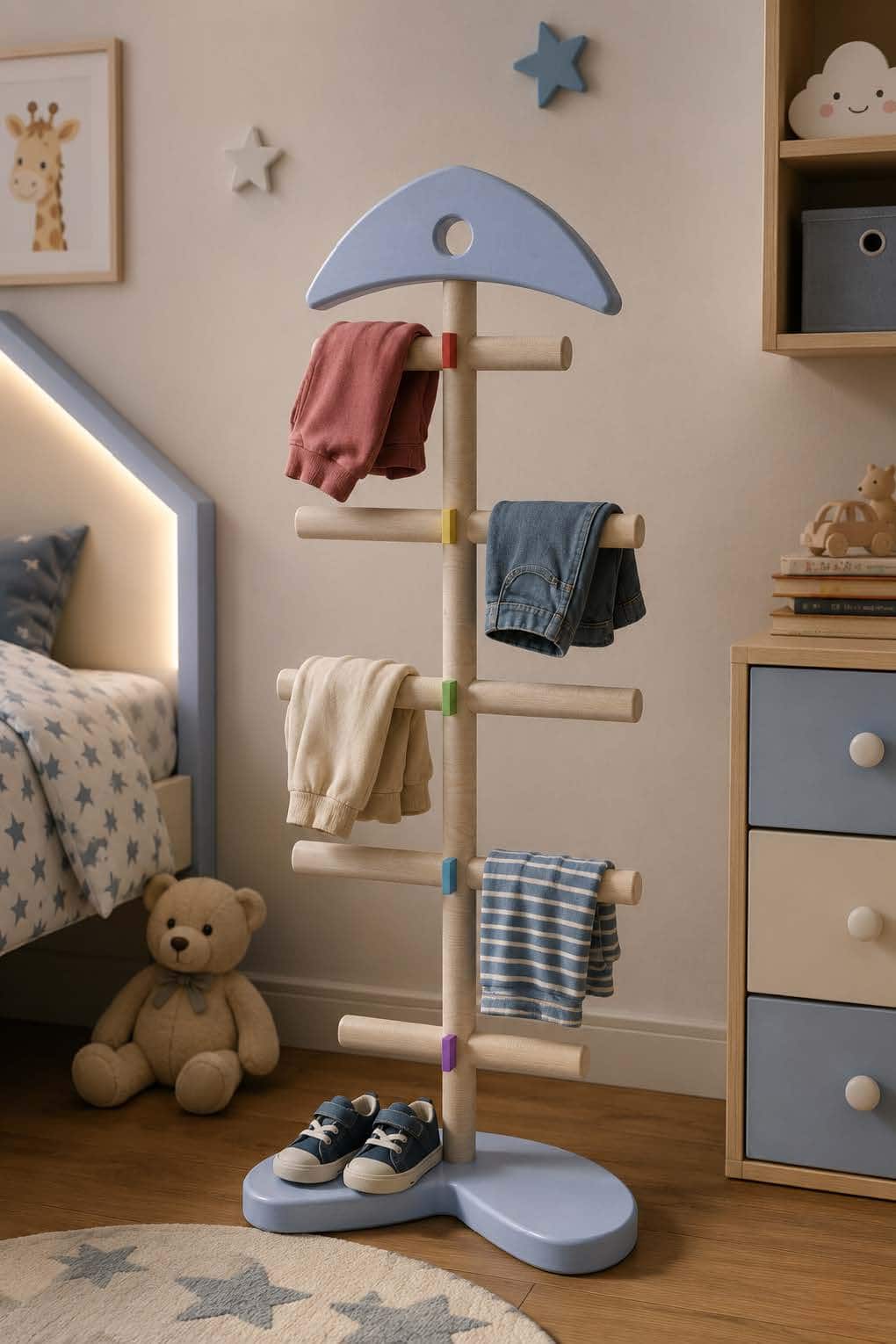
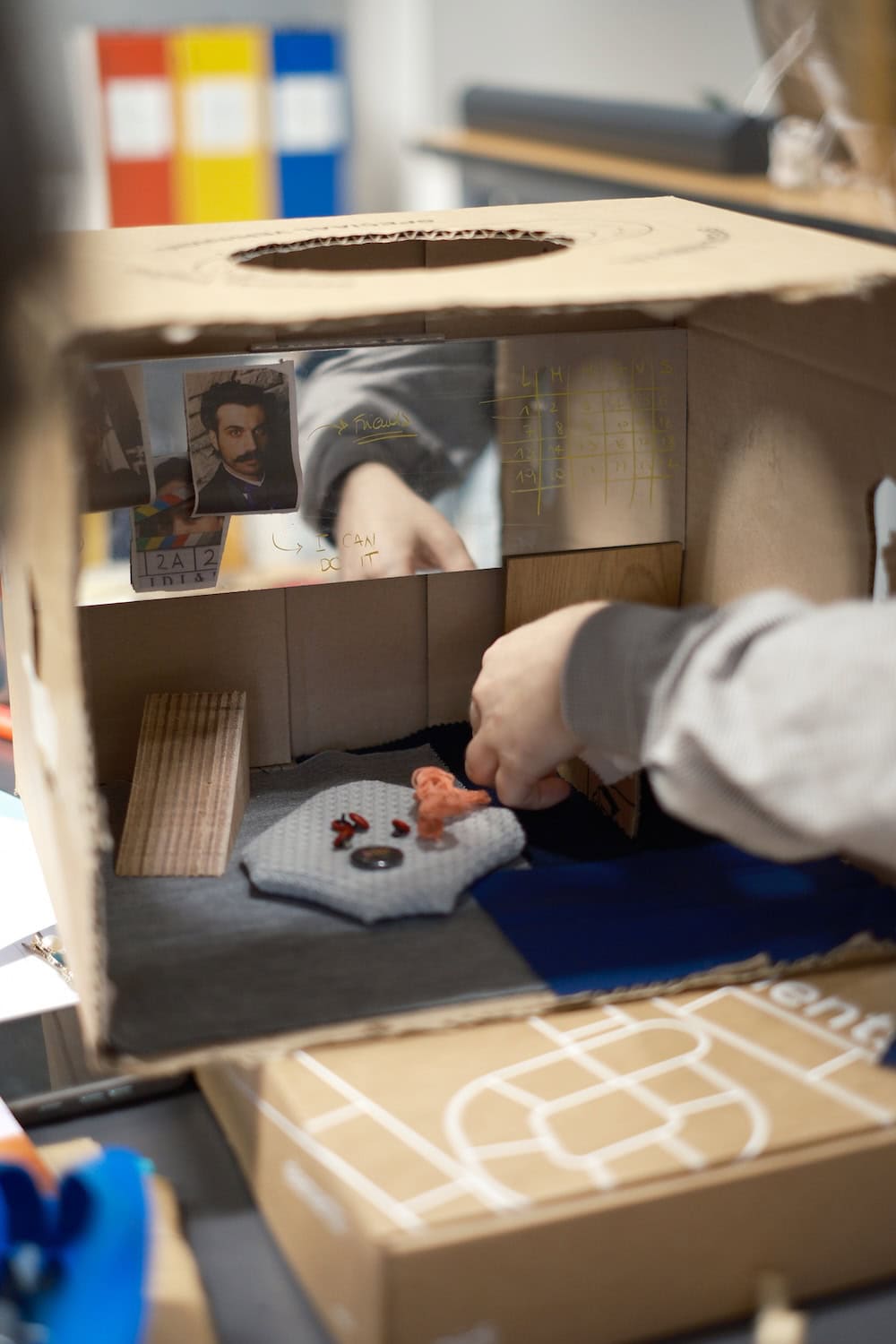
The workshop, held in June 2026, brought together Product Design students whose brief was inspired by the everyday world of getting dressed, not only clothes, but also hobbies, treasured objects, memories and personal collections that become part of growing up.
The result was a collection of ten original concepts, each approaching the challenge from a different perspective. Some transformed as children grew taller, others shifted from play furniture into practical storage, while several encouraged independence by helping children organise their own clothes and belongings. Modular coat racks, adaptable lamps, transformable seating, rolling storage units and multifunctional organisers all shared one common goal: staying useful for years instead of becoming obsolete after a single stage of childhood.
Beyond the individual projects, Wear & Grow reflects a broader conversation about how we design children’s spaces today. Sustainability isn’t only about choosing better materials; it’s also about creating products that families want to keep. Furniture that adapts, rather than being replaced, can reduce waste while becoming part of children’s memories and everyday lives.
With this second collaboration between Nidi and Politecnico di Milano, the dialogue between industry, education and young designers continues to explore new ways of imagining children’s interiors: spaces designed not simply to last longer, but to grow together with the people who live in them.
Discover here what to do this July in Milan with kids.